

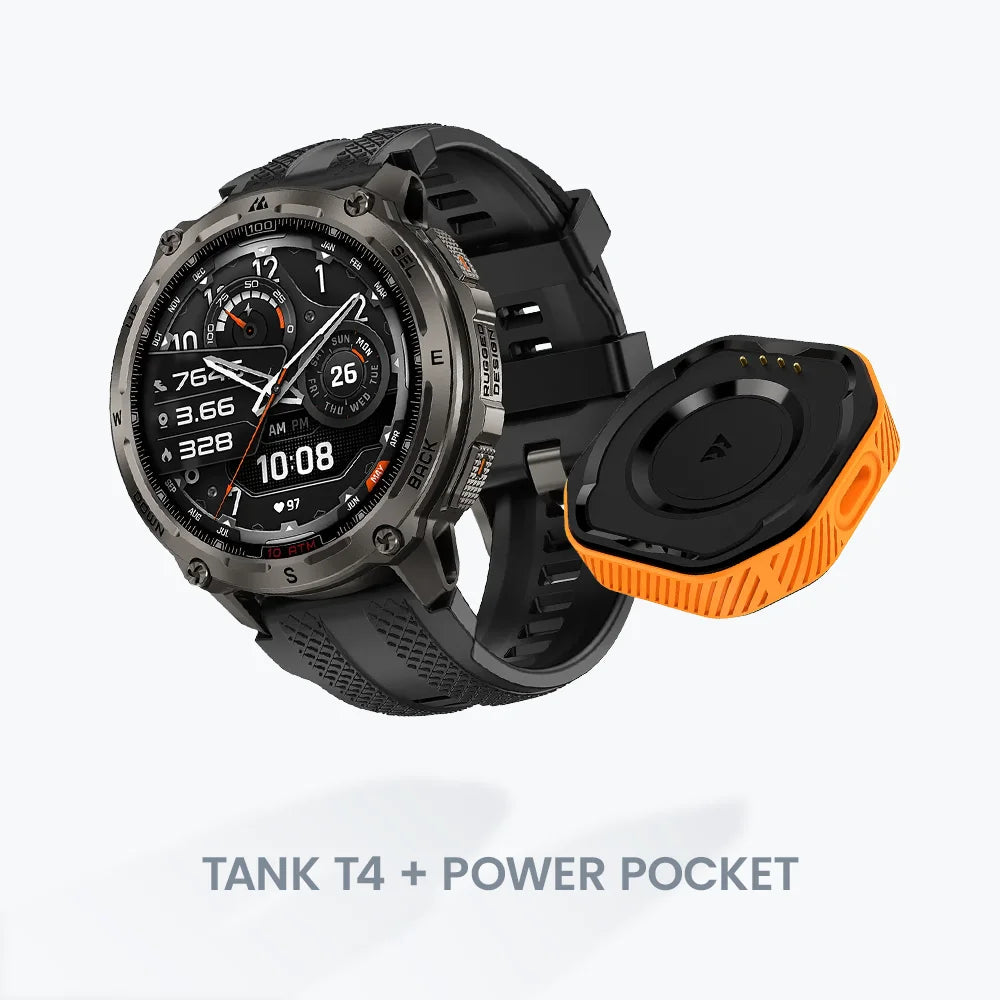
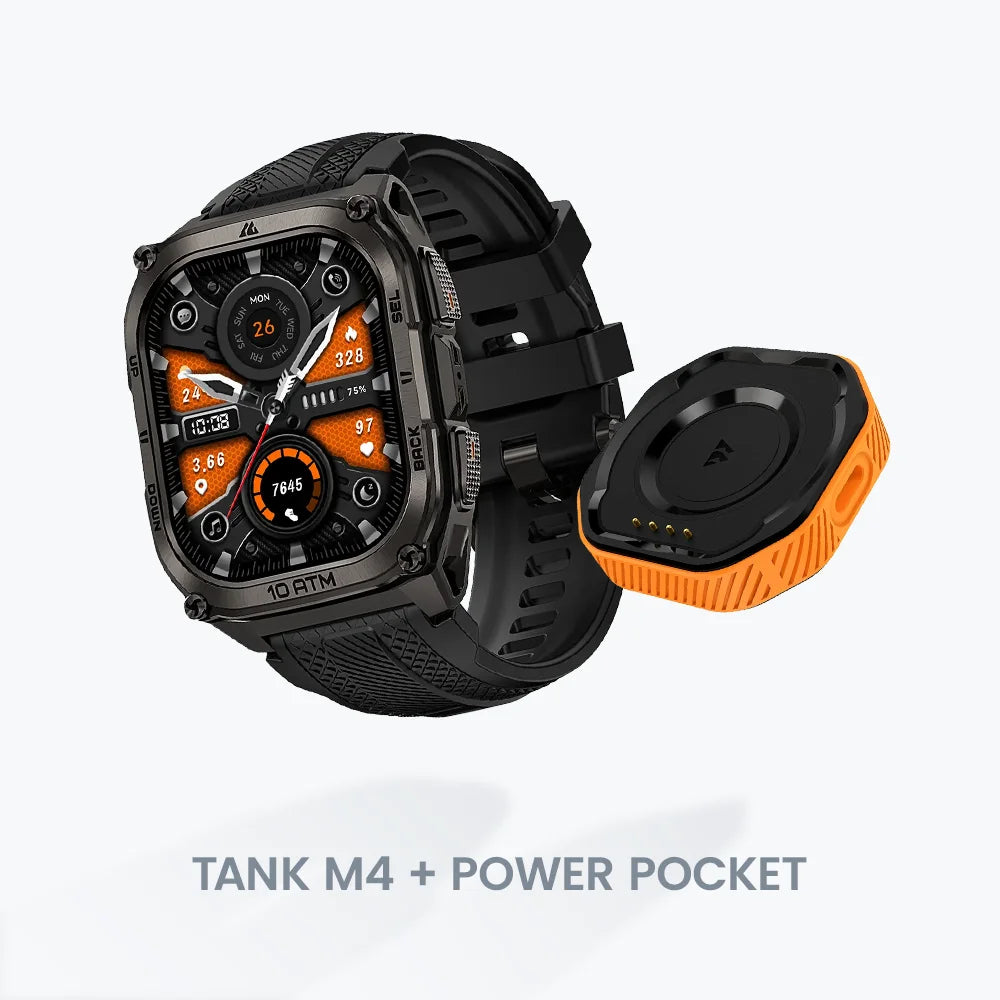

A cycling heart rate watch provides enough accuracy and functionality to replace a chest strap for the majority of recreational and endurance riders. Modern smartwatches offer a complete solution for tracking health and performance during a ride.
These devices have changed from simple step counters into advanced tools that monitor the body through the skin. Most cyclists find that the convenience of a wrist-based device outweighs the small difference in data speed found in traditional chest monitors.
Technical Principles of Optical Heart Rate Sensors in Smartwatches
Optical sensors in smartwatches measure heart rate through light absorption using a process called photoplethy smography. The sensor on the back of the watch shines a bright green light into the skin to reach the capillaries located near the wrist.
This technology works because of the following steps:
- Light Emission: The watch shines green light into the wrist.
- Absorption: Blood absorbs the green light.
- Pulse Detection: When the heart beats, more blood flows and more light is absorbed.
- Calculation: The watch measures these changes hundreds of times per second.
This wrist-based monitoring allows the device to provide a continuous stream of data without requiring extra straps around the chest. The software inside the watch turns these light signals into the beats per minute seen on the screen. According to research on wearable sensor accuracy, optical sensors are now highly reliable for steady activities like cycling.
Factors Affecting Heart Rate Data Accuracy and Latency During Cycling
Data delay happens because blood flow changes more slowly than electrical signals. Optical sensors measure blood volume changes which happen slightly later than the electrical pulses of the heart. This blood flow response takes extra time to reach the wrist after the heart actually beats.
Several physical factors interfere with the accuracy of a cycling heart rate watch:
- Signal Latency: There is often a ten to twenty second delay during hard sprints.
- Road Vibration: Bumpy roads cause the watch to move and let outside light enter the sensor.
- Cold Weather: Low temperatures move blood away from the skin surface.
- Skin Contact: Sweat or dirt can block the green light path.
These combined factors mean that wrist-based data is often a trailing indicator of effort. Leading tech reviewers like DC Rainmaker consistently show that optical sensors lag behind chest straps during sudden changes in intensity. Understanding these limits helps riders use their training data more effectively.
Protocol for Synchronizing a Cycling Heart Rate Watch with Bike Computers

Sharing data between a watch and a bike computer requires standard wireless protocols like ANT+ or Bluetooth LE. This feature is called heart rate broadcasting. It allows a high-quality device like a KOSPET smartwatch to act as a virtual chest strap.
To connect your devices, follow these general steps:
- Open the heart rate settings on your smartwatch or the Apexmove app.
- Turn on the broadcast mode to send out a wireless signal.
- Search for new sensors on your bike computer.
- Select the watch from the list of available devices to pair them.
Most bike computers recognize this signal as a standard external device. The cyclist sees their heart rate on the larger screen of the bike computer instead of looking at their wrist while riding. Using the Bluetooth protocol also allows the watch to connect to indoor training apps like Zwift.
Physical Adjustments to Improve Heart Rate Tracking Performance
Specific placement on the arm ensures the most reliable heart rate signal during a ride. The watch must sit at least two finger widths above the wrist bone to avoid areas with high movement. This higher position provides a flatter surface with more consistent blood flow.
Follow these tips for better performance:
- The Two Finger Rule: Place the watch two fingers above the wrist joint.
- Strap Tension: Tighten the strap by one notch before starting a ride.
- Cleanliness: Wipe the sensor glass after every use to remove sweat.
- Warm Up: Start slowly to allow the sensor to lock onto your pulse.
A loose watch will bounce and create false signals that look like heart beats. Many riders find that keeping the watch snug prevents light from leaking under the sensor during vibrations. Rugged watches designed for the outdoors often have more secure straps to help maintain a steady connection.
Comparative Analysis of Smartwatch and Chest Strap for Different Cycling Disciplines
The choice between devices depends on the specific goals and the style of the cycling activity. Endurance cycling and long distance touring benefit from the comfort of a watch. Studies in sports medicine suggest that wrist-based heart rate is excellent for aerobic training and daily monitoring.
| Feature | Cycling Heart Rate Watch | Chest Strap Monitor |
|---|---|---|
| User Comfort | Very High | Medium to Low |
| Response Speed | 10 to 15 Second Delay | Instant Real-time |
| Best Activity | Endurance and Daily Fitness | Racing and Sprints |
| Ease of Use | No extra equipment needed | Requires extra strap |
| Health Data | Heart rate, Sleep, and Steps | Heart rate only |
Competitive racing and high-intensity interval training require the faster response time of a chest strap. Most fitness enthusiasts discover that the smartwatch provides all the necessary information for building aerobic endurance. The convenience of a single device makes the smartwatch the most practical tool for the average rider.
Conclusion
A cycling heart rate watch is the most versatile tool for riders who want comfort and good data. While the technology has a small delay during intense sprints, it handles the needs of almost every recreational cyclist. The ability to broadcast data to a bike computer makes the watch a powerful part of a modern cycling setup. Most users find that the freedom of not wearing a chest strap is worth the slight difference in data speed.
FAQs
Can the watch connect to apps like Strava?
Yes, most smartwatches use Bluetooth to sync directly with smartphone apps. You can also record the ride on the watch and upload the file later.
Why does the heart rate stay low during a steep climb?
This is usually caused by signal latency. The optical sensor takes a few seconds to see the change in blood flow after your effort increases.
Do I need a chest strap for casual riding?
A chest strap is usually not necessary for casual riding. The built-in sensor on your watch provides enough information for general fitness.


Leave a comment
This site is protected by hCaptcha and the hCaptcha Privacy Policy and Terms of Service apply.