


Durability is the priamary reason to choose a rugged outdoor watch because it ensures the device remains fully operational when environmental stressors cause standard electronics to fail. While many people look for stylish designs, a watch that breaks during a remote expedition is a major liability.
Outdoor enthusiasts require a device that can survive physical impacts and harsh weather without losing its primary functions. Choosing a watch based on its strength ensures that your investment provides reliable data when you are far away from city resources.
Standard Smartwatches Often Fail Due to Fragile Materials and Extreme Temperatures
Standard smartwatches frequently fail in nature because they lack the internal reinforcements and external materials needed to survive physical impacts and thermal changes. Most consumer electronics use thin glass and plastic frames that crack easily.
Industry data from Allstate Protection Plans shows that screen damage is the leading cause of repairs for wearable devices. These reports indicate that the majority of accidental damage claims involve cracked or shattered displays.
Extreme weather also causes specific hardware failures in standard devices:
- Cold Weather Shutdowns: When the temperature drops below freezing, lithium-ion batteries discharge electricity inefficiently. This causes the watch to turn off suddenly even when it has plenty of power left.
- Screen Sluggishness: Liquid crystals in standard screens become slow in freezing conditions. This makes the display slow to respond or completely unreadable.
- Seal Warping: High heat causes the rubber gaskets inside a watch to expand and become brittle. This creates gaps where moisture and sweat enter the device and destroy the internal circuits.
Rugged outdoor watches use reinforced structures and specialized materials to prevent these common issues. These watches often feature a high-strength outer shell made of stainless steel or high-grade polycarbonate.
Professional Standards Ensure Your Watch Survives the Toughest Environments
Military-grade certifications like MIL-STD-810H provide a factual benchmark for durability by testing the device against extreme stress and environmental hazards.
A truly rugged outdoor watch must pass professional durability testing procedures to prove its strength. Engineers perform over 28 different tests to ensure the watch meets these high requirements. These tests represent real-world dangers:
- Shock Resistance: The watch must survive multiple drops from a height of 1.2 meters onto a hard surface without losing function.
- Low Pressure: The device is tested at high altitudes to ensure the casing does not leak or warp.
- Salt Fog: This test ensures the watch does not rust or corrode after exposure to ocean air or salt water for several days.
Passing these tests means the watch is officially recognized as tactical gear. This certification gives users peace of mind because the durability is a proven fact. You can rely on a military-grade watch because it has already survived conditions much worse than a typical weekend trip.
Advanced Glass and Metal Casings Prevent Costly Damage from Impacts
Modern rugged watches use Corning Gorilla Glass and Sapphire Glass to provide maximum scratch resistance and impact protection. The screen is the most vulnerable part of any watch because it is constantly exposed to the environment. Choosing the right material prevents the need for expensive repairs:
- Corning Gorilla Glass: This chemically strengthened glass is designed to be tough. It is excellent at resisting cracks from sudden drops onto rocky trails.
- Sapphire Glass: On the Mohs scale of mineral hardness, sapphire glass ranks at a 9. This is just below a diamond. It ensures the display remains clear after sliding against granite or sand.
- Stainless Steel Bezels: Using materials like 316L stainless steel prevents the casing from denting. This metal also offers high corrosion resistance against sweat and salt water.
Waterproof and Dustproof Seals Maintain Long-Term Reliability
Superior water resistance and dust protection ensure that internal components remain dry and clean even during deep-water activities. Water and dust are the enemies of any electronic device because they cause short circuits. Many watches claim to be water-resistant, but a rugged outdoor watch typically offers a 10ATM water resistance rating.
A 10ATM rating means the device can handle the pressure of water at depths of 100 meters. This is ten times the pressure of the Earth's atmosphere at sea level. The watch also features a sealed construction that blocks fine sand and mud. This seal is essential for people who spend time in the desert or on muddy trails. Keeping the interior of the watch clean is the only way to ensure the sensors for heart rate and GPS continue to work accurately.
Choosing Durable Equipment Increases Product Lifespan and Reliability
Buying a watch with a long product lifespan ensures your gear is ready for every adventure and prevents frequent replacements. Standard smartwatches often have a short life cycle. Industry analysis from Counterpoint Research suggests that the typical lifespan of a standard smartwatch is limited to approximately two years due to battery degradation. This happens because standard batteries only last for a limited number of charge cycles.
Rugged watches often use larger batteries and more efficient power management systems. This allows the device to last for many years longer than a basic model. A reliable watch provides constant access to a compass and emergency alerts. Knowing that your gear will not fail gives you the confidence to explore new places and push your physical limits.
Recommended Rugged Watches for Extreme Adventures
The KOSPET collection provides specific models designed for different types of outdoor exploration and professional use. These models meet high durability standards and offer unique features for specific environments.
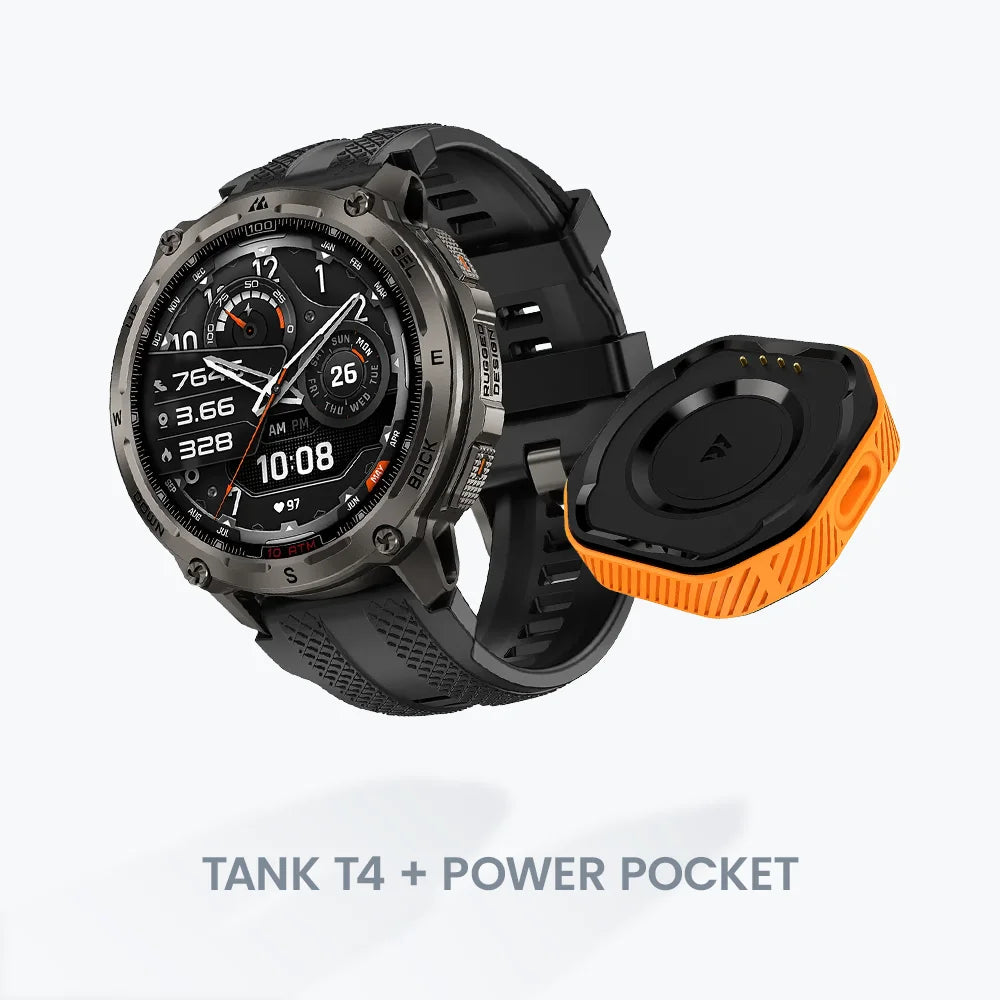
- KOSPET TANK T4: This circular watch offers a 10ATM water rating and supports professional diving up to 45 meters. It is the best choice for water sports and underwater navigation.
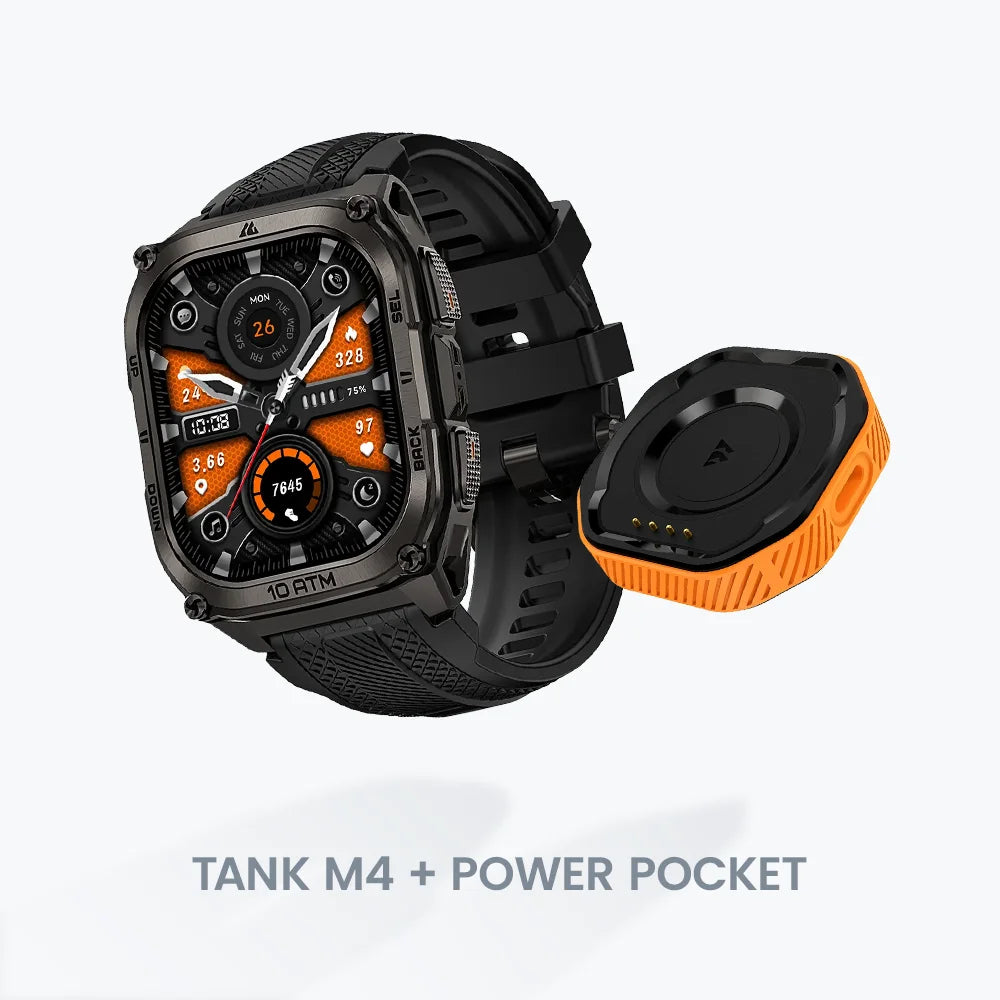
- KOSPET TANK M4: This model features a large 1.96-inch rectangular display and 10ATM diving protection. It provides a wide screen for easy reading of maps and health data.
- KOSPET TANK T3 Ultra 2: This watch focuses on navigation with dual-band GPS and Corning Gorilla Glass protection. It is a reliable tool for long-distance hikers who need accurate route tracking.
Conclusion
The reliability of a rugged outdoor watch is the most important factor because it supports every other feature of the device. Durability keeps your GPS running and keeps your health data accurate in difficult places. When you choose a watch with professional durability standards, you are choosing a partner for your outdoor lifestyle. Choosing strength over style is the smartest decision any traveler can make.
FAQ
What is the difference between IP68 and 10ATM?
IP68 means a watch can survive being submerged in shallow water for a short time. 10ATM is a much stronger rating that allows the watch to withstand the high pressure of swimming or diving at depths of 100 meters.
Does a rugged watch feel too heavy for daily use?
Modern rugged watches use lightweight materials like high-grade polycarbonate and titanium to remain comfortable. These materials provide maximum protection without adding unnecessary weight to your wrist during long hikes.
Can a rugged watch survive extreme winter temperatures?
Yes, watches with military-grade certifications are tested to operate in temperatures as low as -40 degrees Celsius. They use specialized batteries and shielded circuits to ensure the screen and sensors remain functional in the cold.


Leave a comment
This site is protected by hCaptcha and the hCaptcha Privacy Policy and Terms of Service apply.