


Most modern smartwatches last between 24 hours and 20 days on a single charge depending on the specific hardware components and the number of active tracking features. This wide range exists because different brands prioritize different goals such as high-resolution screens or rugged outdoor endurance.
A long battery life smartwatch usually falls into the middle or high end of this spectrum by using efficient software and larger internal power cells. Choosing the right device requires looking past marketing slogans to understand the actual numbers behind daily performance.
Understanding the Smartwatch Battery Life Hierarchy
The smartwatch market is divided into three distinct performance tiers based on how many days of power they provide under normal conditions.
- The Daily Chargers: High-performance watches like the Apple Watch Series 11 or Google Pixel Watch offer approximately 18 to 36 hours of use. These devices run powerful processors and vibrant AMOLED screens that consume energy quickly. They require a nightly charging routine to ensure they stay active during the next workday.
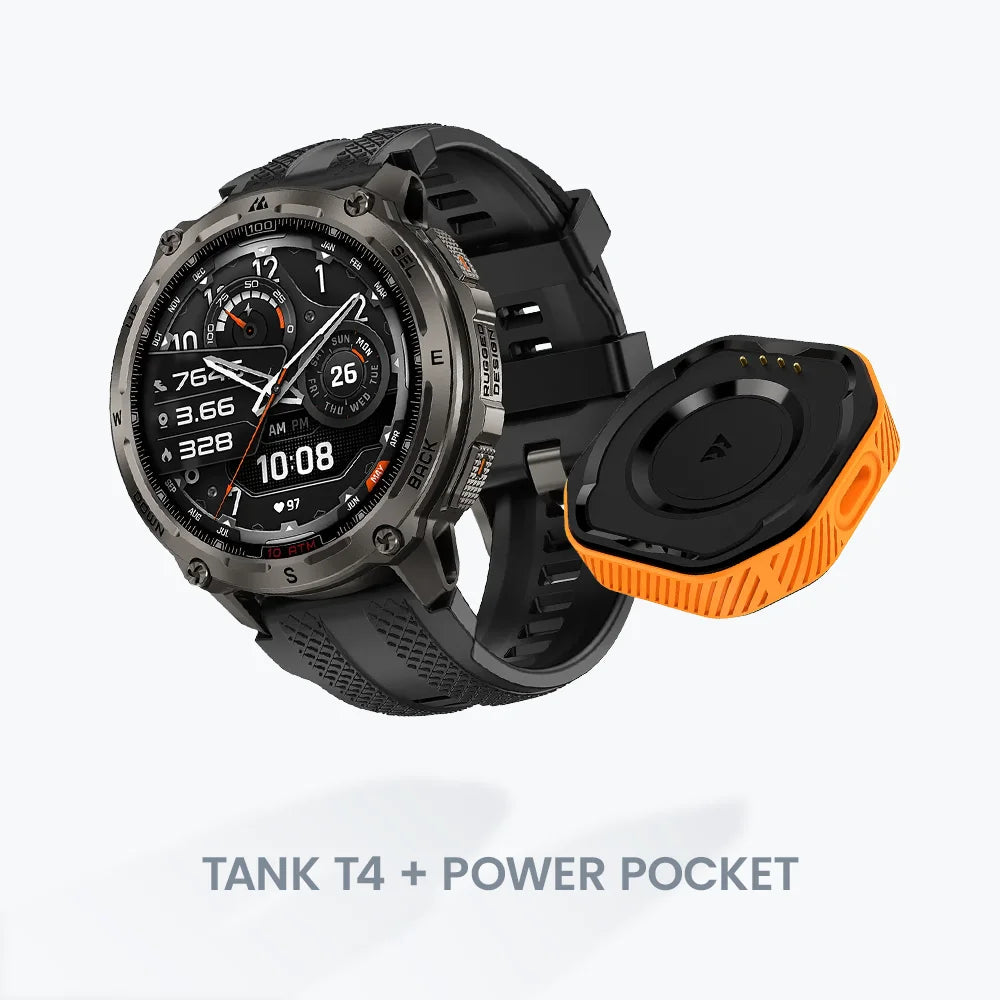
- The Balanced Performers: This category includes watches that last between 5 and 10 days. Models like the KOSPET TANK T3 Ultra 2 or the Samsung Galaxy Watch Ultra achieve this by using more efficient operating systems and smart power management. These watches are ideal for people who want to track their sleep for a full week without worrying about the battery dying in the middle of the night.
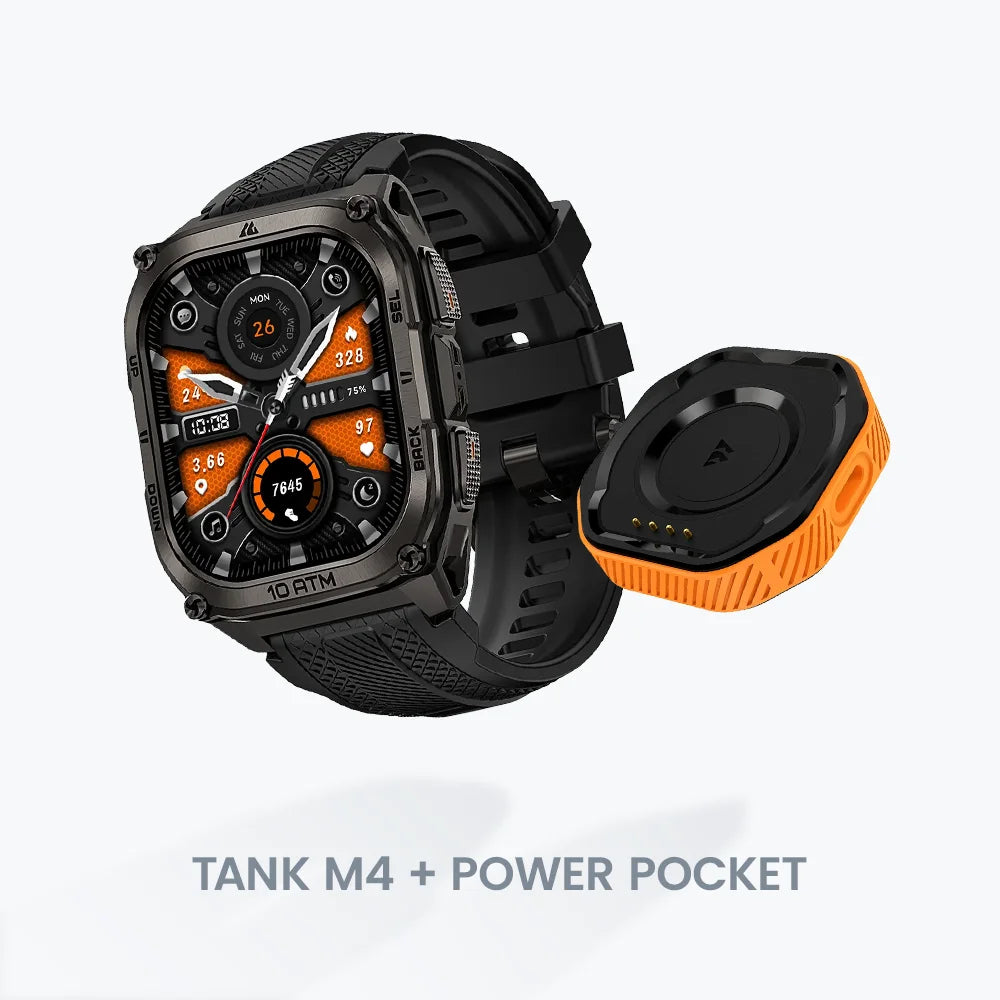
- The Endurance Group: Specialized rugged models and fitness-focused watches stay powered for 10 to 20 days. Devices such as the KOSPET TANK M4 or the Garmin Fenix 8 utilize high-capacity batteries and low-power display technology to survive long trips. They are designed for users who spend long periods away from a power outlet or participate in multi-day hiking expeditions.
Key Factors That Impact Your Long Battery Life Smartwatch
The display technology and the brightness level are the primary drivers of energy consumption in any wearable device. AMOLED screens produce light for every individual pixel which creates a beautiful image but drains the battery significantly.
When the brightness is set to the maximum level for outdoor visibility, the power drain increases by as much as 30 percent compared to medium settings.
Some watches use Memory-in-Pixel screens that do not require a backlight in the daytime. This hardware difference is why a fitness watch often outlasts a luxury smartwatch even with a smaller battery.
Continuous heart rate monitoring and blood oxygen sensors contribute heavily to the background power drain. These sensors use light-emitting diodes to penetrate the skin and measure blood flow.
When the watch records this data every second, the internal processor stays active constantly. Testing shows that changing the heart rate frequency from every second to every ten minutes adds two full days of life to many models.
Global Positioning System tracking is the most demanding feature found in modern wearables. Activating the GPS requires the watch to maintain a constant radio connection with multiple satellites orbiting the Earth.
This process generates heat and uses a massive amount of electricity. A watch that normally lasts 10 days will only last 12 hours when the GPS is active for a marathon or a hike. Users who exercise outdoors must account for this rapid drain when planning their sessions.
Essential Features to Balance Performance and Longevity
The Always-on display feature is a major convenience that comes with a high energy cost. When this setting is active, the screen stays partially lit at all times to show the clock. This prevents the watch from turning off the display controller which is a power-hungry component.
Statistics indicate that the Always-on display reduces total battery life by 50 percent on most AMOLED devices. Disabling this feature ensures the screen only draws power when the user raises their wrist.
Power-saving mode serves as a vital tool for extending the final 10 percent of a battery charge. Activating this mode usually dims the screen and stops the watch from syncing with a smartphone.
It also disables heavy background tasks such as automatic workout detection and continuous stress tracking. This setting allows a watch that is nearly dead to function as a basic timepiece for an extra 24 to 48 hours. It is a necessary feature for travelers who do not have immediate access to a charging cable.
Managing digital notifications reduces the mechanical and wireless strain on the battery. Every time a watch vibrates for an alert, it activates a small motor and a Bluetooth radio.
- A device receiving 200 notifications a day loses power faster than one alerting only for calls.
- The Bluetooth chip stays active to receive constant data packets from the phone.
- The vibration motor consumes a burst of energy for every haptic alert.
The Role of Hardware in Achieving Long Battery Life
The physical mAh capacity of the internal battery determines the maximum amount of energy the watch can store. Most standard smartwatches contain batteries ranging from 300mAh to 500mAh.
Larger rugged watches often feature batteries over 700mAh to provide extra endurance. While a larger battery provides more time between charges, it also makes the device thicker and heavier on the wrist. Finding the right balance between comfort and capacity is a key part of the design process.
Chipset efficiency and the internal architecture of the processor dictate how much work the watch can do with every milliampere of power. Modern watches often use a dual-engine architecture which includes one powerful chip for apps and one tiny chip for background tasks.
- The tiny chip handles the clock and step counting while using minimal energy.
- The main processor only wakes up for complex applications.
- This division of labor prevents the battery from wasting energy on simple tasks.
Battery Health and Charge Cycles: How Long Will the Watch Last?
Every wearable device is limited by the number of charge cycles the battery can undergo before it loses its ability to hold energy. A charge cycle represents one full use and recharge of the battery.
Most lithium-ion batteries are rated for 300 to 500 full cycles before their capacity drops below 80 percent of the original level. A long battery life smartwatch that only needs a charge once every week stays functional many years longer than a watch requiring daily charging.
Charging habits and environmental temperature play a significant role in the long-term health of the battery. High heat from fast chargers or direct sunlight causes chemical stress inside the battery cell.
- Charging in a cool area helps maintain the chemical balance.
- Keeping the battery level between 20 and 80 percent prevents premature aging.
- Avoiding a complete drain to zero percent protects the internal voltage.
Conclusion
Smartwatch battery life depends on the specific hardware you choose and how you manage active sensors. Most devices last between one day and two weeks based on the balance between smart features and battery size.
You can extend this time by turning off the Always-on display and reducing GPS use during exercise. Selecting a model with a high mAh capacity and an efficient chipset ensures your watch stays powered throughout your busy week.
FAQ
Does using GPS all day significantly drain the battery?
Yes, activating GPS is the most demanding feature and can reduce a 10-day battery life to less than 12 hours.
Is it harmful to charge a smartwatch to 100 percent every night?
Charging to 100 percent daily creates chemical stress. It is better to keep the battery level between 20 and 80 percent for long-term health.
Why does the Always-on display use so much power?
The Always-on display keeps the screen controller and pixels active at all times which can cut total battery life by nearly half.


Leave a comment
This site is protected by hCaptcha and the hCaptcha Privacy Policy and Terms of Service apply.